
Learning Software Development Life Cycle - SDLC
at SMART Courses
Learning at SMART Courses is backed by field professionals. Our aim is to keep students up-to-date with latest technology and trends.
SharePoint Online
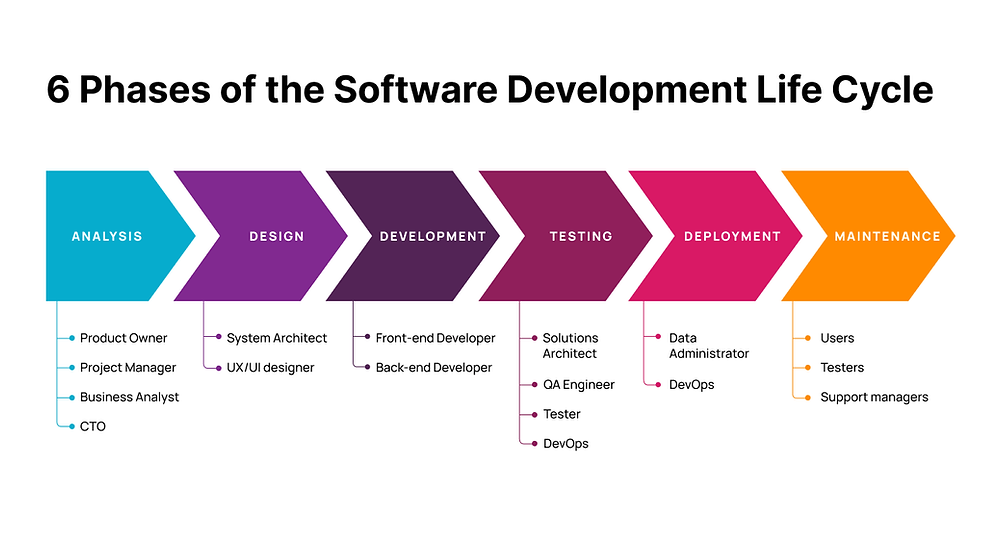
SDLC stands for Software Development Life Cycle. It is a systematic process followed by software development teams to design, develop, test, and deploy high-quality software applications. SDLC provides a structured approach to software development, ensuring that the software meets the desired requirements, is reliable, and can be maintained effectively.
The SDLC is not a linear process, and iterative and incremental methodologies like Agile and DevOps have emerged to address the need for flexibility and continuous improvement. These methodologies focus on shorter development cycles, frequent customer feedback, and collaboration among development teams.
Overall, the SDLC provides a structured framework for software development, ensuring that software projects are delivered on time, within budget, and meet the desired quality standards. It helps organizations manage the complexities of software development and ensures that the end product aligns with the requirements and expectations of stakeholders.
Course Objectives
- Understand the fundamental concepts and importance of SDLC in software development.
- Identify and analyze user requirements effectively for software projects.
- Design system architectures and software components based on the requirements.
- Develop clean, efficient, and well-structured code using programming languages and development tools.
- Apply various testing techniques to ensure software quality and identify and fix defects.
- Plan and execute software deployments in different environments.
- Perform maintenance activities, including bug fixing, performance optimization, and version control.
- Understand and implement Agile and DevOps practices in the SDLC process.
- Utilize documentation and project management methodologies to ensure project success.
- Stay updated with emerging trends in the SDLC and apply relevant practices in software development.
Course Content: SDLC (Software Development Life Cycle)
Module 1: Introduction to SDLC
- Overview of SDLC and its importance in software development
- Understanding the different phases and models of SDLC
- Roles and responsibilities in the SDLC process
Module 2: Requirements Gathering and Analysis
- Techniques for gathering user requirements
- Analyzing and documenting functional and non-functional requirements
- Tools and methodologies for requirements management
Module 3: System Design
- Overview of system architecture and design principles
- Designing software components and modules
- Database design and data modeling
- User interface design and usability considerations
Module 4: Development and Coding
- Introduction to programming languages and development environments
- Writing clean and efficient code
- Version control and code management best practices
- Collaboration tools for development teams
Module 5: Testing and Quality Assurance
- Importance of software testing in the SDLC
- Different types of testing: unit testing, integration testing, system testing, and user acceptance testing
- Test planning and test case development
- Automated testing and tools for test automation
Module 6: Deployment and Release Management
- Strategies for software deployment: on-premises, cloud, and hybrid models
- Configuration management and release planning
- Deployment tools and techniques
- Continuous integration and continuous delivery (CI/CD) pipelines
Module 7: Maintenance and Support
- Overview of software maintenance activities
- Bug tracking and issue management
- Performance monitoring and optimization
- Patch management and version control
Module 8: Agile and DevOps Practices in SDLC
- Introduction to Agile methodologies (Scrum, Kanban)
- Agile principles and values
- DevOps practices for collaboration and continuous improvement
- Implementing Agile and DevOps in the SDLC
Module 9: SDLC Documentation and Project Management
- Documentation requirements in each SDLC phase
- Project management methodologies (Waterfall, Agile)
- Tools for project planning, tracking, and collaboration
Module 10: Emerging Trends in SDLC
- Introduction to emerging trends in software development
- DevOps, CI/CD, and continuous testing
- Microservices architecture and containerization
- Cloud-native development and serverless computing
- Daily Task Assignment
- Questions and Answers
- Weekly Tests & Quizzes
- Small Technical Projects
- Course Completion Certificate
- Starting on 4th of October 2023
- Online Evening Classes – Central Standard Time
- Wednesday & Saturday
- 6:00 PM – 8:00 PM
- 6 Weeks Course
- $ 800.00
